
Drones in 2026: Revolutionizing Industries and Everyday Life
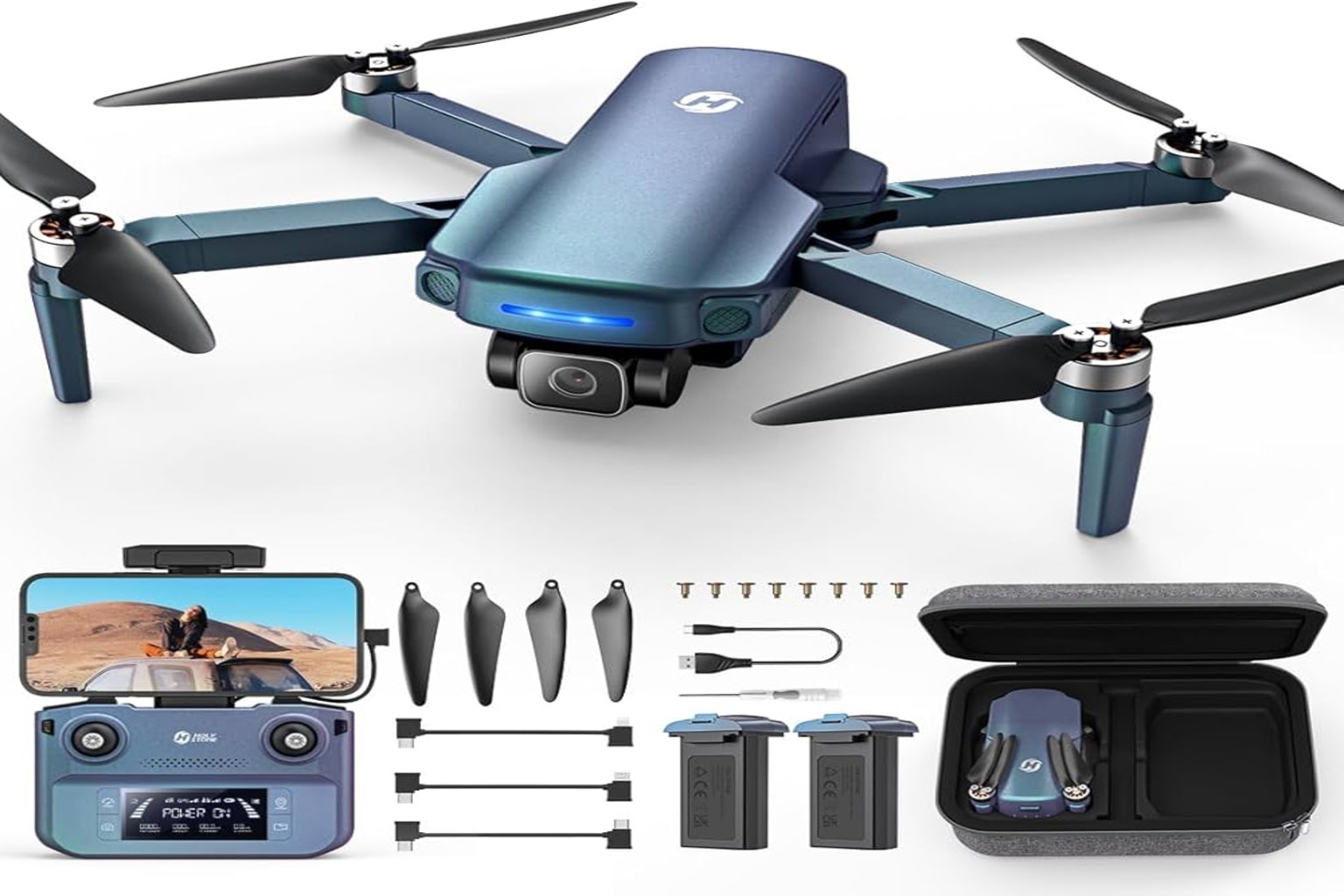
Drones have evolved from niche gadgets and military equipment into powerful tools transforming industries worldwide. In 2026, drone technology is advancing at an unprecedented pace, powered by Artificial Intelligence (AI), improved battery systems, autonomous navigation, and high-speed connectivity. From agriculture and logistics to healthcare and public safety, drones are becoming an integral part of modern society.
As governments establish clearer regulations and businesses continue investing in unmanned aerial systems, drones are unlocking new opportunities for efficiency, innovation, and economic growth. The future of aerial automation is here, and drones are leading the way.
What Are Drones?
A drone, also known as an Unmanned Aerial Vehicle (UAV), is an aircraft that operates without a human pilot onboard. Drones can be remotely controlled or operate autonomously using onboard computers, sensors, GPS technology, and artificial intelligence.
Modern drones typically include:
- Flight controllers
- GPS navigation systems
- Cameras and imaging sensors
- Battery and power management systems
- Wireless communication modules
- AI-powered navigation software
These components enable drones to perform complex tasks with remarkable precision and reliability.
Key Drone Technology Trends in 2026
1. AI-Powered Autonomous Flight
One of the most significant developments in 2026 is the widespread adoption of AI-powered autonomous drones. These drones can independently navigate, avoid obstacles, identify objects, and make real-time decisions without human intervention.
Advanced capabilities include:
- Real-time object detection
- Autonomous route planning
- Predictive maintenance monitoring
- Smart obstacle avoidance
- Automated mission execution
2. Extended Flight Times
Battery technology continues to improve, enabling drones to stay airborne for longer periods. Hybrid power systems, solar-assisted charging, and advanced lithium battery technologies are helping commercial drones operate for several hours without interruption.
Longer flight times are particularly beneficial for:
- Large-scale agricultural surveys
- Infrastructure inspections
- Search and rescue operations
- Long-distance deliveries
3. Drone Swarm Technology
Drone swarms are becoming increasingly sophisticated. Multiple drones can now communicate and coordinate with one another to accomplish complex tasks more efficiently than a single drone.
Applications include:
- Agricultural monitoring
- Disaster response
- Military surveillance
- Environmental research
- Large-scale mapping projects
4. Integration with 5G and Edge Computing
The expansion of 5G networks allows drones to transmit large volumes of data with minimal latency. Combined with edge computing, drones can process information closer to the source, enabling faster decision-making and improved operational efficiency.
How Drones Are Transforming Industries
Agriculture
Agriculture is one of the largest beneficiaries of drone technology. Farmers are using drones to monitor crops, optimize irrigation, detect diseases, and improve productivity.
Agricultural drone applications include:
- Crop health monitoring
- Precision spraying
- Field mapping
- Soil analysis
- Yield estimation
Logistics and Delivery
Drone delivery services are becoming increasingly practical in 2026. Companies are using drones to transport packages, medical supplies, and essential goods more efficiently than traditional transportation methods.
Benefits include:
- Faster deliveries
- Reduced transportation costs
- Improved rural accessibility
- Lower carbon emissions
Construction and Infrastructure
Construction companies are leveraging drones for site surveys, progress tracking, and infrastructure inspections. High-resolution aerial imagery allows project managers to monitor construction activities accurately and efficiently.
Drones assist with:
- Land surveying
- Bridge inspections
- Power line monitoring
- Building assessments
- Safety compliance checks
Healthcare
Healthcare organizations are increasingly using drones to deliver medicines, vaccines, blood samples, and emergency medical supplies to remote locations.
In emergency situations, drones can significantly reduce delivery times and potentially save lives.
Public Safety and Emergency Response
Emergency responders are deploying drones for disaster management, firefighting, search-and-rescue operations, and law enforcement support.
Key uses include:
- Disaster assessment
- Missing person searches
- Wildfire monitoring
- Flood mapping
- Emergency communications support
Benefits of Drones in 2026
- Increased operational efficiency
- Reduced labor costs
- Enhanced safety for dangerous tasks
- Real-time data collection and analysis
- Improved accessibility to remote locations
- Environmentally friendly operations
These advantages are driving rapid adoption across both public and private sectors.
Challenges Facing the Drone Industry
Despite significant progress, several challenges continue to affect drone adoption and deployment.
Major challenges include:
- Airspace regulations and compliance
- Privacy concerns
- Cybersecurity risks
- Battery limitations
- Weather-related operational restrictions
- Public acceptance and safety concerns
Addressing these challenges will be essential for achieving widespread drone integration in society.
The Future of Drones
Looking beyond 2026, drones are expected to become even more intelligent, autonomous, and interconnected. Innovations in AI, robotics, battery technology, and communication networks will continue expanding their capabilities.
Future possibilities include:
- Fully autonomous delivery networks
- Urban air mobility systems
- Drone-based smart city monitoring
- Advanced environmental protection programs
- AI-driven emergency response fleets
- Automated industrial inspection systems
As technology continues to advance, drones will become an indispensable part of modern infrastructure and everyday life.
Conclusion
Drones in 2026 are far more than flying cameras. They have evolved into intelligent aerial platforms capable of transforming industries, improving efficiency, enhancing safety, and solving complex real-world challenges. From precision agriculture and healthcare delivery to infrastructure inspection and emergency response, drones are creating new possibilities across every sector.
As artificial intelligence, automation, and connectivity continue to advance, drones will play an increasingly important role in shaping the future. Businesses, governments, and individuals who embrace this technology today will be well-positioned to benefit from the remarkable opportunities that lie ahead.