
Robotics in 2026: Shaping the Future of Industry, Business, and Everyday Life
Introduction
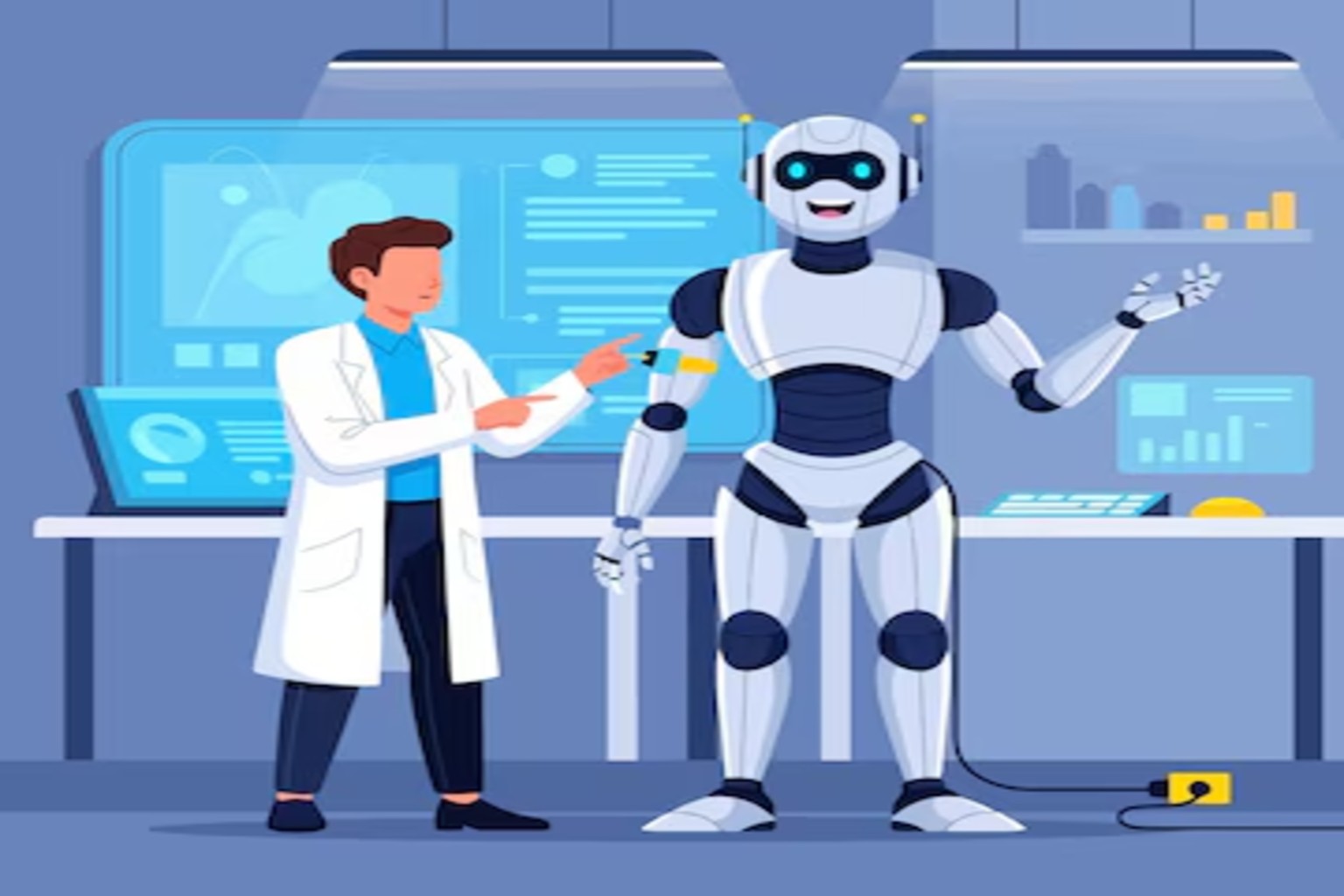
The robotics industry is experiencing unprecedented growth, and 2026 marks a significant milestone in the evolution of intelligent machines. What was once considered science fiction is now becoming a reality as robots increasingly assist humans in factories, hospitals, homes, farms, warehouses, and even classrooms.
Powered by advancements in Artificial Intelligence (AI), Machine Learning, Computer Vision, and advanced sensors, modern robots are becoming smarter, more autonomous, and capable of performing complex tasks with remarkable precision. As businesses seek greater efficiency and productivity, robotics has emerged as a key driver of innovation and economic growth.
In 2026, robots are no longer limited to repetitive industrial operations. They are collaborating with humans, making decisions, learning from their environment, and transforming the way organizations operate.
What is Robotics?
Robotics is the field of technology that involves the design, development, operation, and use of robots. A robot is a programmable machine capable of carrying out tasks automatically or semi-automatically.
Modern robots typically combine:
- Mechanical systems and actuators
- Sensors and cameras
- Artificial Intelligence algorithms
- Computer vision technology
- Connectivity and cloud computing
- Autonomous navigation systems
These technologies enable robots to perceive their surroundings, process information, make decisions, and perform actions with minimal human intervention.
The Rise of Intelligent Robotics
The biggest transformation in 2026 is the emergence of intelligent robots that can adapt to changing environments rather than simply following predefined instructions.
Today's robots can:
- Recognize objects and people
- Understand voice commands
- Learn from experience
- Navigate complex environments
- Collaborate safely with humans
- Analyze data in real-time
- Make autonomous decisions
This evolution is making robotics more accessible and valuable across a wide range of industries.
Key Robotics Trends in 2026
1. AI-Powered Robots
Artificial Intelligence has become the brain behind modern robotics. AI-powered robots can learn from data, improve performance over time, and respond intelligently to unexpected situations.
Applications include:
- Smart manufacturing
- Autonomous inspection systems
- Quality control processes
- Customer service robots
- Intelligent delivery systems
These robots continuously improve their performance through machine learning and real-time feedback.
2. Collaborative Robots (Cobots)
Collaborative robots, commonly known as cobots, are designed to work safely alongside humans.
Unlike traditional industrial robots that operate in isolated environments, cobots assist workers with tasks such as:
- Assembly operations
- Material handling
- Packaging
- Quality inspections
- Machine tending
Cobots are particularly beneficial for small and medium-sized businesses because they are easier to deploy, program, and maintain.
3. Autonomous Mobile Robots (AMRs)
Warehouses and logistics centers are increasingly adopting Autonomous Mobile Robots (AMRs) to streamline operations.
AMRs can:
- Transport goods
- Navigate independently
- Avoid obstacles
- Optimize delivery routes
- Reduce operational delays
Major logistics and e-commerce companies are using AMRs to improve efficiency and meet growing customer demands.
4. Humanoid Robots
Humanoid robots have made significant progress in 2026. These robots are designed to resemble human form and behavior, enabling them to perform tasks in environments built for people.
Potential applications include:
- Customer support
- Elderly care
- Hospitality services
- Retail assistance
- Education and training
As technology advances, humanoid robots are becoming more practical and cost-effective for commercial use.
5. Robotics-as-a-Service (RaaS)
Many organizations are adopting Robotics-as-a-Service models, allowing them to use robotic solutions without large upfront investments.
Benefits include:
- Lower deployment costs
- Flexible scaling
- Continuous software updates
- Reduced maintenance burden
Impact of Robotics Across Industries
Manufacturing
Manufacturing remains one of the largest adopters of robotics technology.
Modern manufacturing robots perform:
- Assembly line operations
- Welding and painting
- Material transportation
- Precision machining
- Product inspection
Healthcare
Healthcare robotics continues to expand rapidly.
- Surgical assistance
- Rehabilitation support
- Patient monitoring
- Medicine delivery
- Hospital logistics
Agriculture
Smart farming is becoming increasingly dependent on robotics.
- Plant seeds
- Monitor crop health
- Apply fertilizers precisely
- Harvest crops
- Detect plant diseases
Logistics and Warehousing
The logistics industry is undergoing major transformation through robotics automation.
- Inventory management
- Package sorting
- Order fulfillment
- Goods transportation
- Warehouse inspections
Education
Educational institutions are integrating robotics into classrooms and training programs.
- STEM education enhancement
- Hands-on learning experiences
- Programming skill development
- Innovation and creativity promotion
Benefits of Robotics in 2026
Increased Productivity
Robots can operate continuously without fatigue, enabling businesses to significantly increase output and efficiency.
Enhanced Accuracy
Robotic systems perform tasks with high precision, reducing errors and improving product quality.
Improved Workplace Safety
Dangerous and repetitive tasks can be assigned to robots, reducing workplace accidents and injuries.
Cost Savings
Although initial investments may be substantial, robotics often delivers long-term cost reductions through increased efficiency and reduced labor expenses.
Faster Decision Making
AI-powered robots can process data instantly and respond to changing conditions in real-time.
Challenges Facing Robotics
High Initial Investment
Advanced robotic systems can require significant upfront capital, particularly for smaller organizations.
Workforce Adaptation
Employees must develop new skills to effectively work alongside robotic technologies.
Cybersecurity Risks
Connected robots can become targets for cyberattacks if appropriate security measures are not implemented.
Ethical and Regulatory Concerns
As robots become more autonomous, organizations must address issues related to accountability, privacy, and ethical decision-making.
The Future of Robotics
Looking beyond 2026, robotics is expected to become even more integrated into daily life and business operations.
Future developments may include:
- Fully autonomous factories
- AI-driven healthcare assistants
- Smart city robotics
- Advanced humanoid companions
- Self-managing logistics networks
- Household service robots
The convergence of AI, robotics, cloud computing, 5G connectivity, and edge computing will accelerate innovation and unlock new possibilities.
Robots will increasingly act as partners rather than tools, helping humans solve complex challenges and improve quality of life.
Conclusion
Robotics in 2026 represents one of the most transformative technological advancements of our time. From manufacturing and healthcare to education and agriculture, intelligent robots are reshaping industries and redefining how work is performed.
As AI-powered robotics continues to evolve, businesses that embrace automation and innovation will gain significant advantages in productivity, efficiency, and competitiveness. While challenges remain, the opportunities presented by robotics far outweigh the obstacles.
The future is not about humans being replaced by robots; it is about humans and robots working together to create smarter businesses, stronger economies, and a better world. Organizations that invest in robotics today will be at the forefront of the next industrial revolution and prepared for the opportunities of tomorrow.